
Community
SAD NEWS – But Not Unexpected


SAD NEWS – But Not Unexpected
When it came, after a few days of warning, the message was sad enough to erase all doubt about the short-term future of university sports in Canada: “It is not currently feasible . . . for USports to be able to offer fall championships.”
Immediately affected by the Monday announcement from President Clint Hamilton were seven sports: women’s field hockey, men’s and women’s cross-country, men’s and women’s soccer and of course, football which, thanks basically to the Vanier Cup-champion Calgary Dinos, stands as the highest-profile sport in Canada West universities these days.
Until this week, there was some hope that a five-game schedule – down from the accustomed eight-game slate — could be managed.
After the prompt and understandable responses of sadness and regret for coaches, athletes, trainers and fans tied to 56 programs in four jurisdictions (Quebec is not included at this point), the almost-automatic second response took the form of a question: with arrangements now in place to protect existing scholarships, how will high school seniors and ambitious young men in provincial junior leagues such as the Prairie Conference be affected?
Obviously, prospects who aimed at university careers had their plans put on hold for at least one year. Unless they’re absolute standouts, rookies at the post-secondary level will sand in longer lineups before playing junior in Edmonton, Calgary, Regina, Winnipeg or Saskatoon.

John Paton, executive director of Alberta Sports Athletic Association which oversees high school competition in dozens of categories, said it is not known when classes will resume; negotiations are in almost-constant evolution. Negotiations on scheduling and other essentials will remain unsettled for weeks at least. Many meetings are taking place each week “and some more often than once a week.
“We aren’t moving as fast as the universities did,” he added, confirming that the university decision was “not unexpected.”
One major obstacle was (and is) inter-provincial travel. Saskatchewan has already said visits by out-of-province teams will not be approved ungil the problems of isolation and physical distancing can be handled safely.
As the post-coronavirus world starts to assume some new shape, the ASAA continues to welcome input from every provincial sports organization. Alberta Basketball, for example, has already recommended starting the 2021 season at the normal starting time in late August or early September. Some see it the best way to put the challenging COVID-19 days well into the past.
Decisions on the start of scheduled play and the length of seasons at the high school level are sure to be guided by federal regulation and Alberta Health Services expertise, said Paton said, cautious about any potential “level of higher risk.”.
Prairie Football Conference spokesmen are equally unsettled in their outlook. Crossing the provincial lines that mark Alberta, Saskatchewan and Manitoba is essential for all teams in that league. Some time ago, one observer suggested that the encouraging coronavirus picture in British Columbia might allow early-fall exhibition meetings between adjacent Alberta and B.C., but those conversations have apparently been put in hold.
Football Alberta spokespersons were not available for comment.



From the Fraser Institute
By Jake Fuss and Grady Munro
There would have been 1.5 million more Canadians who donated to charity in 2023—and $755.5 million more in donations—had Canadians given to the same extent they did 10 years prior
According to recent polling, approximately one in five Canadians have skipped paying a bill over the past year so they can buy groceries. As families are increasingly hard-pressed to make ends meet, this undoubtedly means more and more people must seek out food banks, shelters and other charitable organizations to meet their basic necessities.
And each year, Canadians across the country donate their time and money to charities to help those in need—particularly around the holiday season. Yet at a time when the relatively high cost of living means these organizations need more resources, new data published by the Fraser Institute shows that the level of charitable giving in Canada is actually falling.
Specifically, over the last 10 years (2013 to 2023, the latest year of available data) the share of tax-filers who reported donating to charity fell from 21.9 per cent to 16.8 per cent. And while fewer Canadians are donating to charity, they’re also donating a smaller share of their income—during the same 10-year period, the share of aggregate income donated to charity fell from 0.55 per cent to 0.52 per cent.
To put this decline into perspective, consider this: there would have been 1.5 million more Canadians who donated to charity in 2023—and $755.5 million more in donations—had Canadians given to the same extent they did 10 years prior. Simply put, this long-standing decline in charitable giving in Canada ultimately limits the resources available for charities to help those in need.
On the bright side, despite the worrying long-term trends, the share of aggregate income donated to charity recently increased from 0.50 per cent in 2022 to 0.52 per cent in 2023. While this may seem like a marginal improvement, 0.02 per cent of aggregate income for all Canadians in 2023 was $255.7 million.
The provinces also reflect the national trends. From 2013 to 2023, every province saw a decline in the share of tax-filers donating to charity. These declines ranged from 15.4 per cent in Quebec to 31.4 per cent in Prince Edward Island.
Similarly, almost every province recorded a drop in the share of aggregate income donated to charity, with the largest being the 24.7 per cent decline seen in P.E.I. The only province to buck this trend was Alberta, which saw a 3.9 per cent increase in the share of aggregate income donated over the decade.
Just as Canada as a whole saw a recent improvement in the share of aggregate income donated, so too did many of the provinces. Indeed, seven provinces (except Manitoba, Nova Scotia and Newfoundland and Labrador) saw an increase in the share of aggregate income donated to charity from 2022 to 2023, with the largest increases occurring in Saskatchewan (7.9 per cent) and Alberta (6.7 per cent).
Canadians also volunteer their time to help those in need, yet the latest data show that volunteerism is also on the wane. According to Statistics Canada, the share of Canadians who volunteered (both formally and informally) fell by 8 per cent from 2018 to 2023. And the total numbers of hours volunteered (again, both formal and informal) fell by 18 per cent over that same period.
With many Canadians struggling to make ends meet, food banks, shelters and other charitable organizations play a critical role in providing basic necessities to those in need. Yet charitable giving—which provides resources for these charities—has long been on the decline. Hopefully, we’ll see this trend turn around swiftly.


|

|
|

|
|
|



Wayne Gretzky’s Terrible, Awful Week.. And Soccer/ Football.

Western Campuses Help Build China’s Digital Dragnet With U.S. Tax Funds, Study Warns
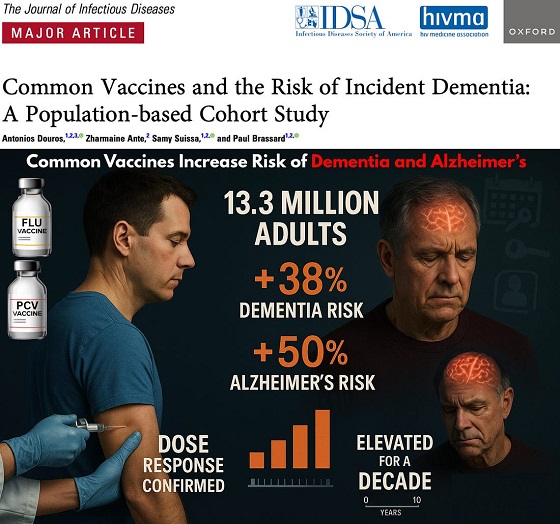
Common Vaccines Linked to 38-50% Increased Risk of Dementia and Alzheimer’s

Trump DOJ seeks to quash Pfizer whistleblower’s lawsuit over COVID shots
-
 Great Reset2 days ago
Viral TikTok video shows 7-year-old cuddling great-grandfather before he’s euthanized
-
 Daily Caller2 days ago
Chinese Billionaire Tried To Build US-Born Baby Empire As Overseas Elites Turn To American Surrogates
-
 Alberta2 days ago
Schools should go back to basics to mitigate effects of AI
-
 International2 days ago
At Least 15 Killed In Shooting Targeting Jewish Community At Australia’s Bondi Beach, Police Say
-
 International2 days ago
Two states designate Muslim group as terrorist
-
 Business2 days ago
Major tax changes in 2026: Report
-
 Digital ID1 day ago
Canada releases new digital ID app for personal documents despite privacy concerns
-
 Bruce Dowbiggin1 day ago
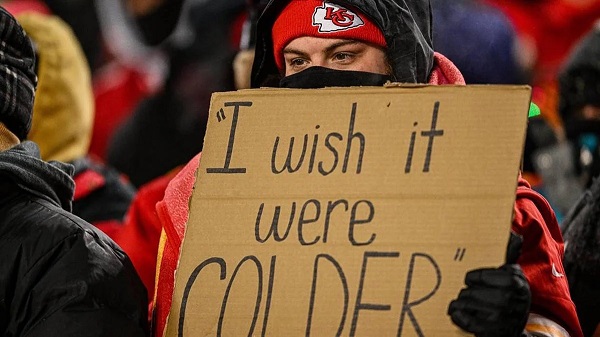
NFL Ice Bowls Turn Down The Thermostat on Climate Change Hysteria