
Podcasts
The Wheel Uncomfortable – Red Deer Podcaster’s unique show is fascinating, disturbing, and compelling


- Those who know Chris Schellenberger probably aren’t too surprised that he’s come up with a risky new venture. A few years ago Schellenberger turned his career selling cars upside down when he founded a consignment car dealership called Reverse Dealer. You might say Chris is doing the same thing in the “podcast” world. While most successful podcasters are capitalizing on their ability to share their expertise on a subject they would be considered “experts” in, Schellenberger is trying something completely different.
- It’s called The Wheel Uncomfortable and it works like this. Every Tuesday evening at 7, Schellenberger releases a LIVE recorded game show podcast, where complete strangers spin a wheel which suggests discussion topics at random. Both the host and the guest take 3 turns. The only rule is honesty. The Wheel Uncomfortable is designed to show that everybody struggles and there’s something compelling about watching strangers talk about their private lives.
The Wheel Uncomfortable is closing in on 10 episodes already. In this episode Schellenberger talks with a man from Cochrane, Alberta who is about to make a very serious life decision… partially because of this honest conversation.

The Wheel Uncomfortable – New Episodes on YouTube every Tues 7pm
LIVE recorded game-show where strangers spin wheel and discuss life stories. 3 rounds each. #wheeluncomfortable
Link to our YouTube Channel: https://goo.gl/4wDxuU
Stay Uncomfy Videos – New Episodes on YouTube every Thurs 7pm
Video’s about Staying Uncomfy and the effects it’s having on others as well as my own life #stayuncomfy
Link to our YouTube Channel: https://goo.gl/4wDxuU
Description of The Wheel Uncomfortable: A game designed to help identify that EVERYBODY struggles no matter where we come from. We everyday humans don’t usually get to share impactful #vulnerable stories from our life, this Game -Show extracts those stories to share with the World. There are also some fun categories like Sing, Dance or Rap to help bring some enjoyable moments for viewers

From StosselTV
Countries all over the world are imposing digital IDs. They tie your identity to everything you do. Spain’s Prime Minister wants “An end to anonymity online!”
Tech privacy expert Naomi Brockwell @NaomiBrockwellTV warns that’s dangerous. “Privacy is not about hiding,” she tells Stossel TV producer Kristin Tokarev. “It’s about an individual’s right to decide for themselves who gets access to their data. A Digital ID… will strip individuals of that choice.”
The new government mandated digital IDs aren’t just a digital version of your driver’s license or passport. “It connects everything,” Brockwell explains. “Your financial decisions, to your social media posts, your likes, the things that you’re watching, places that you’re going… Everything you say will be tied back to who you are.”
And once everything runs through a single government ID, access to services becomes something you need permission for. That’s already a reality in China where citizens are tracked, scored, and punished for “bad” behavior.
Brockwell warns the western world is “skyrocketing in that direction.” She says Americans need to push back now.
———
To make sure you receive the weekly video from Stossel TV, sign up here: https://www.johnstossel.com/#subscrib...
———


People criticize capitalism. A recent Axios-Generation poll says, “College students prefer socialism to capitalism.”
Why?
Because they believe absurd myths. Like the claim that the Soviet Union “wasn’t real socialism.”
Socialism guru Noam Chomsky tells students that. He says the Soviet Union “was about as remote from socialism as you could imagine.”
Give me a break.
The Soviets made private business illegal.
If that’s not socialism, I’m not sure what is.
“Socialism means abolishing private property and … replacing it with some form of collective ownership,” explains economist Ben Powell. “The Soviet Union had an abundance of that.”
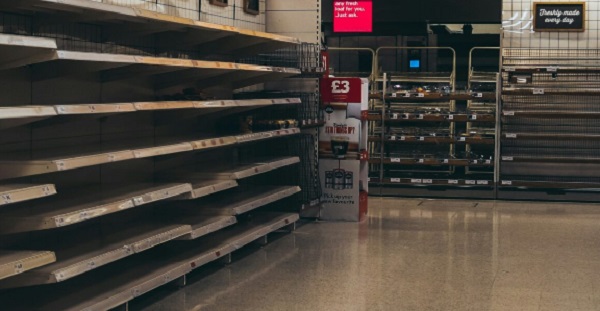
Socialism always fails. Look at Venezuela, the richest country in Latin America about 40 years ago. Now people there face food shortages, poverty, misery and election outcomes the regime ignores.
But Al Jazeera claims Venezuela’s failure has “little to do with socialism, and a lot to do with poor governance … economic policies have failed to adjust to reality.”
“That’s the nature of socialism!” exclaims Powell. “Economic policies fail to adjust to reality. Economic reality evolves every day. Millions of decentralized entrepreneurs and consumers make fine tuning adjustments.”
Political leaders can’t keep up with that.
Still, pundits and politicians tell people, socialism does work — in Scandinavia.
“Mad Money’s Jim Cramer calls Norway “as socialist as they come!”
This too is nonsense.
“Sweden isn’t socialist,” says Powell. “Volvo is a private company. Restaurants, hotels, they’re privately owned.”
Norway, Denmark and Sweden are all free market economies.
Denmark’s former prime minister was so annoyed with economically ignorant Americans like Bernie Sanders calling Scandanavia “socialist,” he came to America to tell Harvard students that his country “is far from a socialist planned economy. Denmark is a market economy.”
Powell says young people “hear the preaching of socialism, about equality, but they don’t look on what it actually delivers: poverty, starvation, early death.”
For thousands of years, the world had almost no wealth creation. Then, some countries tried capitalism. That changed everything.
“In the last 20 years, we’ve seen more humans escape extreme poverty than any other time in human history, and that’s because of markets,” says Powell.
Capitalism makes poor people richer.
Former Rep. Jamaal Bowman (D-N.Y.) calls capitalism “slavery by another name.”
Rep. Alexandria Ocasio-Cortez (D-N.Y.) claims, “No one ever makes a billion dollars. You take a billion dollars.”
That’s another myth.
People think there’s a fixed amount of money. So when someone gets rich, others lose.
But it’s not true. In a free market, the only way entrepreneurs can get rich is by creating new wealth.
Yes, Steve Jobs pocketed billions, but by creating Apple, he gave the rest of us even more. He invented technology that makes all of us better off.
“I hope that we get 100 new super billionaires,” says economist Dan Mitchell, “because that means 100 new people figured out ways to make the rest of our lives better off.”
Former Labor Secretary Robert Reich advocates the opposite: “Let’s abolish billionaires,” he says.
He misses the most important fact about capitalism: it’s voluntary.
“I’m not giving Jeff Bezos any money unless he’s selling me something that I value more than that money,” says Mitchell.
It’s why under capitalism, the poor and middle class get richer, too.
“The economic pie grows,” says Mitchell. “We are much richer than our grandparents.”
When the media say the “middle class is in decline,” they’re technically right, but they don’t understand why it’s shrinking.
“It’s shrinking because more and more people are moving into upper income quintiles,” says Mitchell. “The rich get richer in a capitalist society. But guess what? The rest of us get richer as well.”
I cover more myths about socialism and capitalism in my new video.


“Magnitude cannot be overstated”: Minnesota aid scam may reach $9 billion

Largest fraud in US history? Independent Journalist visits numerous daycare centres with no children, revealing massive scam

US Under Secretary of State Slams UK and EU Over Online Speech Regulation, Announces Release of Files on Past Censorship Efforts
Sweden Fixed What Canada Won’t Even Name
What Do Loyalty Rewards Programs Cost Us?

China Stages Massive Live-Fire Encirclement Drill Around Taiwan as Washington and Japan Fortify

Rulings could affect energy prices everywhere: Climate activists v. the energy industry in 2026
-
 Business2 days ago
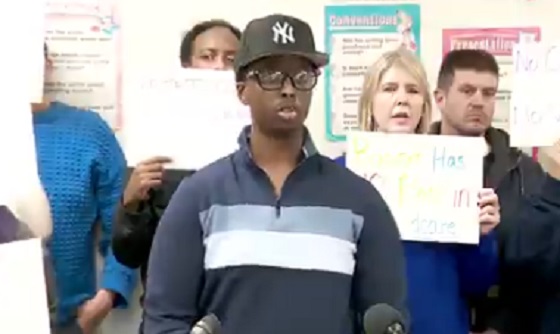
How convenient: Minnesota day care reports break-in, records gone
-
 Business2 days ago
The great policy challenge for governments in Canada in 2026
-
 International2 days ago
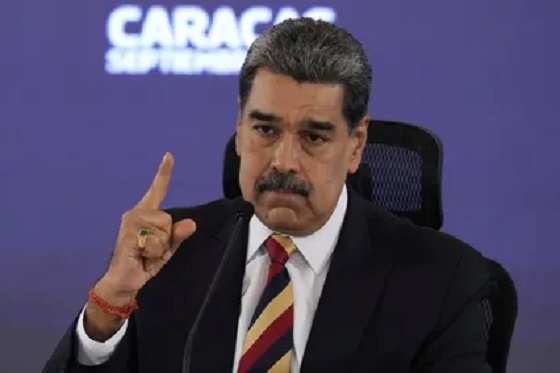
Trump confirms first American land strike against Venezuelan narco networks
-
 International17 hours ago
Maduro says he’s “ready” to talk
-
 Bruce Dowbiggin17 hours ago
The Rise Of The System Engineer: Has Canada Got A Prayer in 2026?
-
 International17 hours ago
LOCKED AND LOADED: Trump threatens U.S. response if Iran slaughters protesters