
COVID-19
UK study of children shows heart inflammation develops after COVID vaccination, not infection


From LifeSiteNews
Researchers at Oxford University found that ‘all myocarditis and pericarditis events during the study period occurred in vaccinated individuals’ and no deaths resulted from myocarditis or pericarditis.
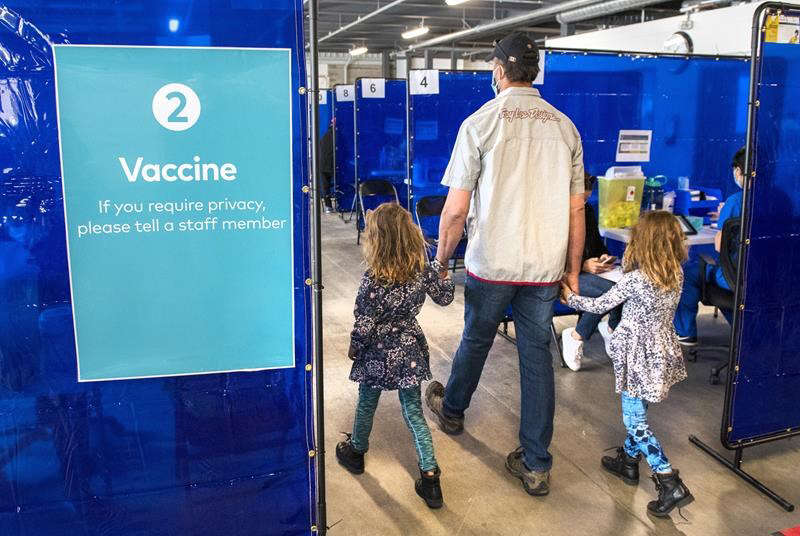
A new medical study conducted by researchers at Oxford University shows that the heart diseases myocarditis and pericarditis only occur after COVID-19 vaccination, not after infection, in children and adolescents.
The study, which has been published in its preprint version (before peer review), compared medical data from more than one million vaccinated and unvaccinated children ages 5 to 11 and adolescents ages 12 to 15 in England. The health of the unvaccinated children and adolescents were compared with that of those who received one and two doses of COVID-19 vaccines.
According to the study, “Whilst rare, all myocarditis and pericarditis events during the study period occurred in vaccinated individuals,” while no deaths resulted in children or adolescents from myocarditis or pericarditis.
The study also stated that “COVID-19-related hospitalization, and critical care attendance were rare in both adolescents and children and there were no COVID-19 related deaths.”
Analyzing data provided by the National Health Service (NHS), England’s OpenSAFELY-TPP database, which includes 40 percent of English primary care providers, researchers matched vaccinated and unvaccinated adolescents and children of similar relevant backgrounds — age, sex, location — charting 20 weeks for comparison of such things as positive COVID-19 tests, hospitalizations, critical care, adverse events, and non-COVID hospitalizations.
The analysis showed that myocarditis and pericarditis occurred only in vaccinated children and adolescents, with a higher incidence of both in adolescents rather than children.
Out of the more than 839,000 vaccinated children and adolescents examined in the study, 15 cases of pericarditis and three cases of myocarditis were found. All cases of myocarditis and 12 of the 15 cases of pericarditis occurred among adolescents.
Among the cases of pericarditis, all but three occurred after the first COVID vaccine dose, with more than half of the adolescents with either pericarditis and myocarditis hospitalized or taken to the ER.

The study also indicated that there was no significant difference in the severity of COVID-19 infection between vaccinated and unvaccinated children.
RELATED: Japanese study finds ‘significant increases’ in cancer deaths after third mRNA COVID doses
In comments on the new study, cardiologist Dr. Peter McCullough is reported to have stated that it is “one of many demonstrating that COVID-19 vaccination is not medically necessary for children, given the less than 1 percent rate of infection, and that excessive testing for COVID-19 is a waste of resources.”
McCullough also said, “The fact that COVID-19 vaccination can lead to side effects like myocarditis and pericarditis means it can potentially result in fatal cardiac arrest in a fraction of victims, which cannot be predicted ahead of time.”
A significant body of evidence links significant risks to the COVID vaccines, which were developed and reviewed in a fraction of the time vaccines usually take under former U.S. President Donald Trump’s Operation Warp Speed initiative. Among these risks, the U.S. federal Vaccine Adverse Event Reporting System (VAERS) reports 37,382 deaths, 215,734 hospitalizations, 21,616 heart attacks, and 28,299 myocarditis and pericarditis cases as of March 29, among other ailments.
U.S. Centers for Disease Control & Prevention (CDC) researchers have recognized a “high verification rate of reports of myocarditis to VAERS after mRNA-based COVID-19 vaccination,” leading to the conclusion that “under-reporting is more likely” than over-reporting).
An analysis of 99 million people across eight countries published in February in the journal Vaccine – the largest analysis to date – “observed significantly higher risks of myocarditis following the first, second and third doses” of mRNA-based COVID vaccines, as well as signs of increased risk of “pericarditis, Guillain-Barré syndrome, and cerebral venous sinus thrombosis,” and other “potential safety signals that require further investigation.”
In April, the CDC was forced to release by court order 780,000 previously undisclosed reports of serious adverse reactions.

From LifeSiteNews
A judge ruled that the Ontario Court of Justice is already ‘satisfied’ with Chris Barber’s sentence and taking away his very livelihood would be ‘disproportionate.’
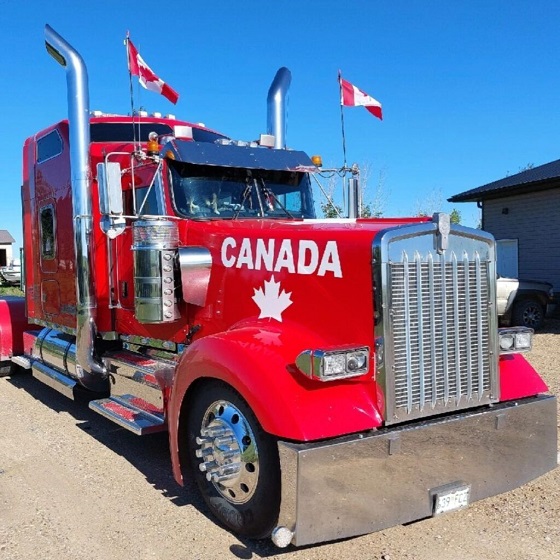
A Canadian judge has dismissed a demand from Canadian government lawyers to seize Freedom Convoy leader Chris Barber’s “Big Red” semi-truck.
On Friday, Ontario Court of Justice Judge Heather Perkins-McVey denied the Crown’s application seeking to forfeit Barber’s truck.
She ruled that the court is already “satisfied” with Barber’s sentence and taking away his very livelihood would be “disproportionate.”
“This truck is my livelihood,” said Barber in a press release sent to LifeSiteNews.
“Trying to permanently seize it for peacefully protesting was wrong, and I’m relieved the court refused to allow that to happen,” he added.
Criminal defense lawyer Marwa Racha Younes was welcoming of the ruling as well, stating, “We find it was the right decision in the circumstances and are happy with the outcome.”
John Carpay, president of the Justice Centre for Constitutional Freedoms (JCCF), said the decision is “good news for all Canadians who cherish their Charter freedom to assemble peacefully.”
READ: Freedom Convoy protester appeals after judge dismissed challenge to frozen bank accounts
“Asset forfeiture is an extraordinary power, and it must not be used to punish Canadians for participating in peaceful protest,” he added in the press release.
As reported recently by LifeSiteNews, the Canadian government claimed that Barber’s truck is an “offence-related property” relating to his involvement in the 2022 protests against Canada’s COVID mandates.
At this time, the court ruling ends any forfeiture proceedings for the time being, however Barber will continue to try and appeal his criminal conviction and house arrest sentence.
Barber’s truck, a 2004 Kenworth long-haul he uses for business, was a focal point in the 2022 protests. He drove it to Ottawa, where it was parked for an extended period of time, but he complied when officials asked him to move it.
On October 7, 2025, after a long trial, Ontario Court Justice Perkins-McVey sentenced Barber and Tamara Lich, the other Freedom Convoy leader, to 18 months’ house arrest. They had been declared guilty of mischief for their roles as leaders of the 2022 protest against COVID mandates, and as social media influencers.
Lich and Barber have filed appeals of their own against their house arrest sentences, arguing that the trial judge did not correctly apply the law on their mischief charges.
Government lawyers for the Crown have filed an appeal of the acquittals of Lich and Barber on intimidation charges.
The pair’s convictions came after a nearly two-year trial despite the nonviolent nature of the popular movement.
From LifeSiteNews
Protestor Evan Blackman’s legal team argues Trudeau’s Emergencies Act-based bank account freezes were punitive state action tied directly to protest participation.
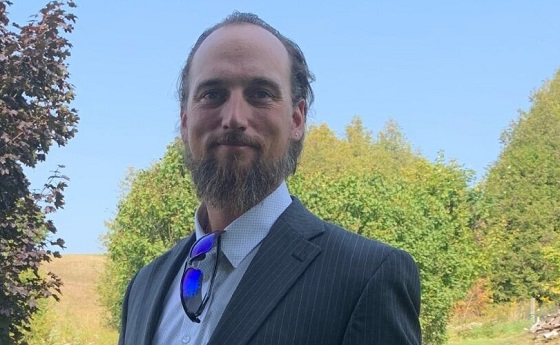
A Freedom Convoy protester whose bank accounts were frozen by the Canadian government says a judge erred after his ruling did not consider the fact that the funds were frozen under the Emergencies Act, as grounds for a stay of proceedings.
In a press release sent out earlier this week, the Justice Centre for Constitutional Freedoms (JCCF) said that Freedom Convoy protestor Evan Blackman will challenge a court ruling in his criminal case via an appeal with the Ontario Superior Court of Justice.
“This case raises serious questions about how peaceful protest is treated in Canada and about the lasting consequences of the federal government’s unlawful use of the Emergencies Act,” noted constitutional lawyer Chris Fleury. “The freezing of protestors’ bank accounts was part of a coordinated effort to suppress dissent, and courts ought to be willing to scrutinize that conduct.”
Blackman was arrested on February 18, 2022, during the police crackdown on Freedom Convoy protests against COVID restrictions, which was authorized by the Emergencies Act (EA). The EA was put in place by former Prime Minister Justin Trudeau’s Liberal government, which claimed the protests were violent, despite no evidence that this was the case.
Blackman’s three bank accounts with TD Bank were frozen due to his participation in the Freedom Convoy, following a directive ordered by Trudeau.
As reported by LifeSiteNews, in November of this year, Blackman was convicted at his retrial even though he had been acquitted at his original trial. In 2023, Blackman’s “mischief” and “obstructing police” charges were dismissed by a judge due to lack of evidence and the “poor memory of a cop regarding key details of the alleged criminal offences.”
His retrial resulted in Blackman getting a conditional discharge along with 12 months’ probation and 122 hours of community service, along with a $200 victim fine surcharge.
After this, Blackman’s application for a stay of proceedings was dismissed by the court. He had hoped to have his stay of proceedings, under section 24(1) of the Charter of Rights and Freedoms, allowed. However, the judge ruled that the freezing of his bank accounts was legally not related to his arrest, and because of this, the stay of proceedings lacked standing.
The JCCF disagreed with this ruling, noting, it “stands in contrast to a Federal Court decision finding that the government’s invocation of the Emergencies Act was unreasonable and violated Canadians’ Charter rights, including those targeted by the financial measures used against Freedom Convoy protestors.”
As of press time, a hearing date has not been scheduled.
In 2024, Federal Court Justice Richard Mosley ruled that Trudeau was “not justified” in invoking the Emergencies Act.
In early 2022, the Freedom Convoy saw thousands of Canadians from coast to coast come to Ottawa to demand an end to COVID mandates in all forms. Despite the peaceful nature of the protest, Trudeau’s federal government enacted the EA in mid-February.
After the protesters were cleared out, which was achieved through the freezing of bank accounts of those involved without a court order as well as the physical removal and arrest of demonstrators, Trudeau revoked the EA on February 23, 2022.

Alberta Next Panel calls to reform how Canada works

Canadian government launches trial version of digital ID for certain licenses, permits
Georgia county admits illegally certifying 315k ballots in 2020 presidential election

End Supply Management—For the Sake of Canadian Consumers
-
 Business22 hours ago
ICYMI: Largest fraud in US history? Independent Journalist visits numerous daycare centres with no children, revealing massive scam
-
 Alberta14 hours ago
Alberta project would be “the biggest carbon capture and storage project in the world”
-
 Bruce Dowbiggin2 days ago
Be Careful What You Wish For In 2026: Mark Carney With A Majority
-
 Energy11 hours ago
Canada’s debate on energy levelled up in 2025
-
 Business12 hours ago
Socialism vs. Capitalism
-
 Energy13 hours ago
New Poll Shows Ontarians See Oil & Gas as Key to Jobs, Economy, and Trade
-
 International2 days ago
China Stages Massive Live-Fire Encirclement Drill Around Taiwan as Washington and Japan Fortify
-
 Energy2 days ago
Rulings could affect energy prices everywhere: Climate activists v. the energy industry in 2026