
Also Interesting
10 Remote Work Trends for 2024



About 12.7% of people in the US work remotely full time, while about 28% more work remotely a part of the day. This involves their side job (side gig), hybrid work model, or finishing their daily tasks once they return home.
With this type of work clearly on the rise, what are some of the remote work trends that you should be looking out for in 2024?
1. Shorter work hours and work weeks
Younger generations of workers are no longer obsessed with profit. Instead, the majority of them are preoccupied with a work-life balance. This is further supported by the fact that roughly 90% of them prefer a 4-day work week even if they’re still paid by the hour.
What they realize and their predecessors didn’t is the fact that the only people who will remember if you worked late 20 years from now are your children. All the money in the world doesn’t mean much if you don’t have the time to enjoy it.
2. Work-life balance
Working from home and having deadlines instead of work hours can allow you to improve your own daily routine. It can help you manage your relationships better and help you avoid having to make too many sacrifices.
There’s further proof that these younger generations value their mental well-being and comfort over profit. For instance, according to one of the latest polls, an average American employee would give up $4,600 per year to work remotely. This is how appealing this way of life has become.
3. Virtual teambuilding
While this was one of the biggest remote work trends in 2023, it’s also expected to be big next year. One of the biggest downsides of remote teams is the fact that it’s hard to keep the loyalty to the team high when you’re not in the office.
Fortunately, teammates can interact virtually. They can participate in online events, play online video games together, have more interactive meetings, etc. These relationships are not parasocial; they’re real; it’s just that they take place in a digital environment.
4. Performance tracking tools
As well as teambuilding, performance management software that can gather key insights on the effectiveness of employees is another key part of remote working that’s helping ensure it’s a success. Through these tools, employers can monitor employees’ performance from a distance, and the best part is, there’s loads of choice to suit all kinds of companies.
Many of these tools also have onboarding tools built-in, and time-tracking functionality so you can manage all aspects of the work cycle in one convenient place. And, with many costing as little as $5/user, all companies can use these tools, regardless of their budget.
5. Higher level of cybersecurity
In 2024, there’s no excuse for falling for a phishing scam or having a weak and unpredictable password. Not a lot of people are just starting out this year, which means that you’re expected to show a level of awareness of an industry veteran.
You don’t even have to do it manually; instead, you can go for software made for the storage of passwords, which can solve this issue without inconveniencing you at all. This will keep your passwords unique and randomized, and make it easier to change them every 60 days.
6. Higher inclusivity
Now, we’re not just talking about preferences but opportunities, as well. From now on, moms (and, to a lesser extent, dads) will no longer have to choose between being at home with their kids or going to work as many did in the past.
This way, even single parents will have an opportunity for an amazing earning potential while still staying to take care of their kids. Sure, this won’t be easy to balance, but it’s an extra opportunity you can’t ignore.
You must also take into account people with disabilities, who are going to get more opportunities to provide for themselves than they ever had in the future. With this higher inclusivity, there’s a much higher chance of finally establishing a truly egalitarian society.

7. Remote work trends offer opportunities to everyone
For an average employee, this means an amazing job opportunity. A specialist can find a remote job in a country with a much higher living standard. This means they can do their work for four or five times higher pay than they would get in their own country.
At the same time, an employer can hire specialists and experts from countries with a lower standard and pay them a fraction of what they would pay someone from their home country. To the remote employee, this might still be significantly higher than what they would get at home.
Why is this (a well-established trend) counted among remote work trends in 2024? Well, according to recent statistics, 67% of managers think that next year, more businesses will switch, at least remotely.
8. Greater emphasis on physical and mental fitness
People working remotely have been noted to display far better physical and mental fitness than their counterparts working from an office. It’s not just the fact that one works in the environment of their own choosing but other related factors, as well.
On average, people working from home experience less burnout (up to 36% of people report so). They also report reduced levels of depression and anxiety. They sleep better, have an option to make healthier food choices and display overall physical health benefits.
9. Emphasis on eco-friendliness
So far, the majority of remote work proponents have promoted cost-effectiveness and convenience as the strongest factors. From the standpoint of a pragmatist, these are the two most compelling arguments, but the modern audience is a bit more issue-minded.
After all, remote work eliminates the need for the commute. It also reduces the use of utilities since people would use these resources in their homes either way, regardless of whether they’re working or not.
The CO2 emissions, resource consumption, and everything related go down when people start working from home. This makes it one of the trends in remote work that might pick up the most in the coming year.
10. Around-the-clock support
Having 24/7 support is no longer an extra feature – it’s a mandatory requirement for anyone doing business in this day and age. This is what makes it one of the biggest remote work trends in 2024.
Today, you have chatbots to provide this service, but this is just the tip of the iceberg. It’s also worth mentioning that it’s a lot easier to find someone who can work the odd shifts due to the difference in time zones. It might not be as significant as some other benefits of remote work, but it certainly plays an important role.
11. Generational support of remote work
Generational zeitgeist is something that you shouldn’t be too quick to dismiss. With boomers mostly going into retirement or already retired, millennials, Gen Z, and Gen X make up the majority of the modern workforce.
Coincidentally, these generations are all overwhelmingly in support of remote work. This alone would be enough to cement the future of remote work for years and years to come. Needless to say, it’s highly unlikely that future generations (beyond Gen Z) will reverse this trend.
Working from home is amazing, and now everyone knows it
The cat is out of the bag, and no one can pretend that working from home is not an amazing idea. It saves money, offers more opportunities, and improves work-life balance.
Sure, it has its challenges, but the truth is that these are far more solvable than you think. In other words, the interest in this type of work is only going one way – up. With remote work trends making this offer more and more appealing to entrepreneurs and global workforce alike, the future of this employment model seems quite bright.


Mobile has become the default screen for entertainment in Québec, from streaming to short-form video to bite-sized gaming. When I look at how people actually spend their downtime, it’s clear that the phone wins because it fits around life—on the metro, in a coffee line, or on the couch while a show runs in the background. In this post, I’ll break down why mobile-first habits are accelerating online casino growth, the features that keep players returning to their phones, and the practical settings that make play smoother and more intentional.
Why Québec Is Moving to the Small Screen
Phones shape behavior through short, repeatable “micro-sessions.” A spare two minutes turns into a quick spin, a side quest, or a daily check-in reward. This rhythm aligns with broader Canadian trends: internet and mobile use remain near-universal, and social-style engagement has trained us to prefer fast, thumb-driven loops. Reports tracking Canada’s digital life show high penetration of mobile connections and heavy social usage—both predictors of strong mobile gaming engagement.
Design also matters. Modern casino apps and mobile sites lift cues from social feeds—persistent nav bars, swipeable cards, haptic taps, and instant feedback. The result is a UX that feels familiar even if the game is new. Hybrid monetization (in-app purchases alongside ad-supported rewards or subscriptions) also keeps the experience flexible for different budgets and play styles.
Signals From the Gaming and Payments Ecosystem
Canadian gamers are increasingly incorporating mobile devices into their weekly routines. Recent coverage notes that a substantial majority of players use smartphones weekly for gaming, reflecting the convenience of pick-up-and-play formats. That preference supports casino-style content, where quick sessions and event-driven bonuses are efficient.
Payments are evolving alongside play. The latest national payments research highlights steady growth in digital methods and mobile-friendly transactions, with tap-and-go habits extending to in-app expectations. For players, this translates into faster top-ups, robust device security options (such as biometrics), and fewer abandoned deposits.
The Mobile UX That Keeps Players Engaged
Excellent mobile casino experiences share a few traits. First, they compress decisions: big buttons, readable odds and win potential, and minimal required text. Second, they personalize quickly—surfacing “recently played,” daily streaks, or seasonal events up top. Third, they respect session length, offering fast load times, one-handed play, and clear exit points, so it’s easy to stop when you planned to.
From my own testing and reviews, the stickiest flows do three simple things well:
- Surface momentum: Onboarding ends with a playable moment rather than a dead-end settings screen.
- Simplify payments: Wallets remember preferred methods and confirm with Face ID or fingerprint.
- Reward cadence: Progress bars, level-ups, and time-limited events make short sessions feel meaningful.
A Quick, Local Guide for New and Returning Players
If you’re exploring mobile options and want a single page that maps the landscape for Québec readers, start with a detailed guide to online casinos in Québec—it’s a straightforward overview of platforms, banking, and play considerations. The resource provides tools and comparisons that many readers find helpful, and it originates from Gambling Nerd Canada, a brand known for its practical breakdowns rather than hype.
Privacy, Performance, and Control on Your Phone
Before a long session, think like a power user. Turn on low-power mode, reduce background refresh for nonessentials, and enable biometric locks for your wallet app. Use notification summaries so bonuses and reminders arrive on your schedule, not in scattered pings throughout the day. If privacy is top of mind, note the broader consumer shift toward privacy-aware browsing and app choices—an indicator that many users want speed without sacrificing control.
Practical Settings I Recommend
Start with a one-time setup and revisit monthly:
- Biometric approvals: Fingerprint or Face ID for payments and account access.
- Focus modes: A “Play” focus that mutes noncritical apps prevents distraction.
- Data caps and Wi-Fi assist: Ensure stable play when switching networks.
- Notification batching: Keep promotional pings contained to a scheduled summary.
- Accessibility tweaks: Larger text and stronger contrast reduce mis-taps in fast games.
What’s New in 2026: Features to Watch
Mobile gaming in 2026 is doubling down on personalization and live-service content. Think dynamic events, social play hubs, and cross-platform syncing so you can pick up progress anywhere. Industry tracking points to hybrid monetization and more innovative analytics guiding these updates, which typically means more tailored offers and seasonal content drops. For players, the upshot is fresher content and smoother progression across short sessions.
Québec’s mobile-first reality isn’t about bigger screens or faster chips—it’s about how phones fit our days. Short, satisfying sessions, fluid payments, and personalized content make the experience feel effortless. If you dial in a few device settings and use trusted resources to compare options, you’ll get the convenience you want without the clutter you don’t.

We’ve all had that one chat: lots of jokes, some flirting, maybe even deep talks… and yet you never actually meet. Or call. Or do anything.
It feels like something, but also like nothing. Let’s gently call it what it is: a situationship in your phone.
Why We Get Stuck in Endless Chatting
Some common reasons:
● Fear of rejection if you move it offline.
● It’s a comforting distraction when you’re lonely or stressed.
● You’re both busy and don’t want to prioritize each other yet.
● One or both of you like the ego boost more than the person.
Here’s a quick pattern table:
Pattern What’s usually going on
Lots of texting, no concrete plans Avoidance or low real-life interest
Strong flirting, zero follow-through Validation more than true intention
“We should meet sometime” on repeat Vague comfort zone, not real action
How Long Is “Too Long” Without Meeting?
There’s no exact rule, but for most people:
● 1–2 weeks of active texting → reasonable to suggest a call or date.
● 4+ weeks of frequent texting, zero effort to meet → something’s off.
If your “relationship” is starting to feel like a pen pal romance, it’s time to shift.
How to Move Things Forward (or End It)
You can keep it very simple:
● “I’m enjoying chatting with you. Want to grab a coffee next week and see how this feels offline?”
● “I’m not great at endless texting — would you be up for a quick video call sometime via online dating for singles?”
If they dodge vague excuses again and again, you have your answer.
Giving Yourself Permission to Let It Go
Ending a long chat connection can feel weirdly like a breakup, even if you never met. It’s still emotional energy.
You can say:
● “I’ve appreciated our chats, but I’m looking for something that can move into real life. I’m going to step back from this.”
Then mute, archive, or delete. And yes, you’re allowed to feel a bit sad and still know it was the right call.
Your Time Is Valuable
At the end of the day, your dating life is part of your actual life, not a separate mini-game.
You deserve:
● Conversations that lead somewhere
● Dates that feel safe, curious, and real
● Relationships (or explorationships) that respect your energy


University of Colorado will pay $10 million to staff, students for trying to force them to take COVID shots

Wayne Gretzky’s Terrible, Awful Week.. And Soccer/ Football.

Western Campuses Help Build China’s Digital Dragnet With U.S. Tax Funds, Study Warns

Surgery Denied. Death Approved.
-
Bruce Dowbiggin2 hours ago
Wayne Gretzky’s Terrible, Awful Week.. And Soccer/ Football.
-
espionage5 hours ago
Western Campuses Help Build China’s Digital Dragnet With U.S. Tax Funds, Study Warns
-
 Agriculture30 mins ago
Canada’s air quality among the best in the world
-
 Business3 hours ago
Canada invests $34 million in Chinese drones now considered to be ‘high security risks’
-
 Economy4 hours ago
Affordable housing out of reach everywhere in Canada
-
 Business2 days ago
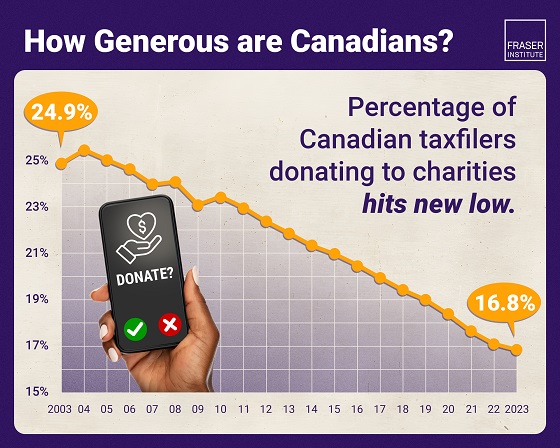
Albertans give most on average but Canadian generosity hits lowest point in 20 years
-
 Fraser Institute1 day ago
Claims about ‘unmarked graves’ don’t withstand scrutiny
-
 Censorship Industrial Complex2 days ago
Ottawa’s New Hate Law Goes Too Far